
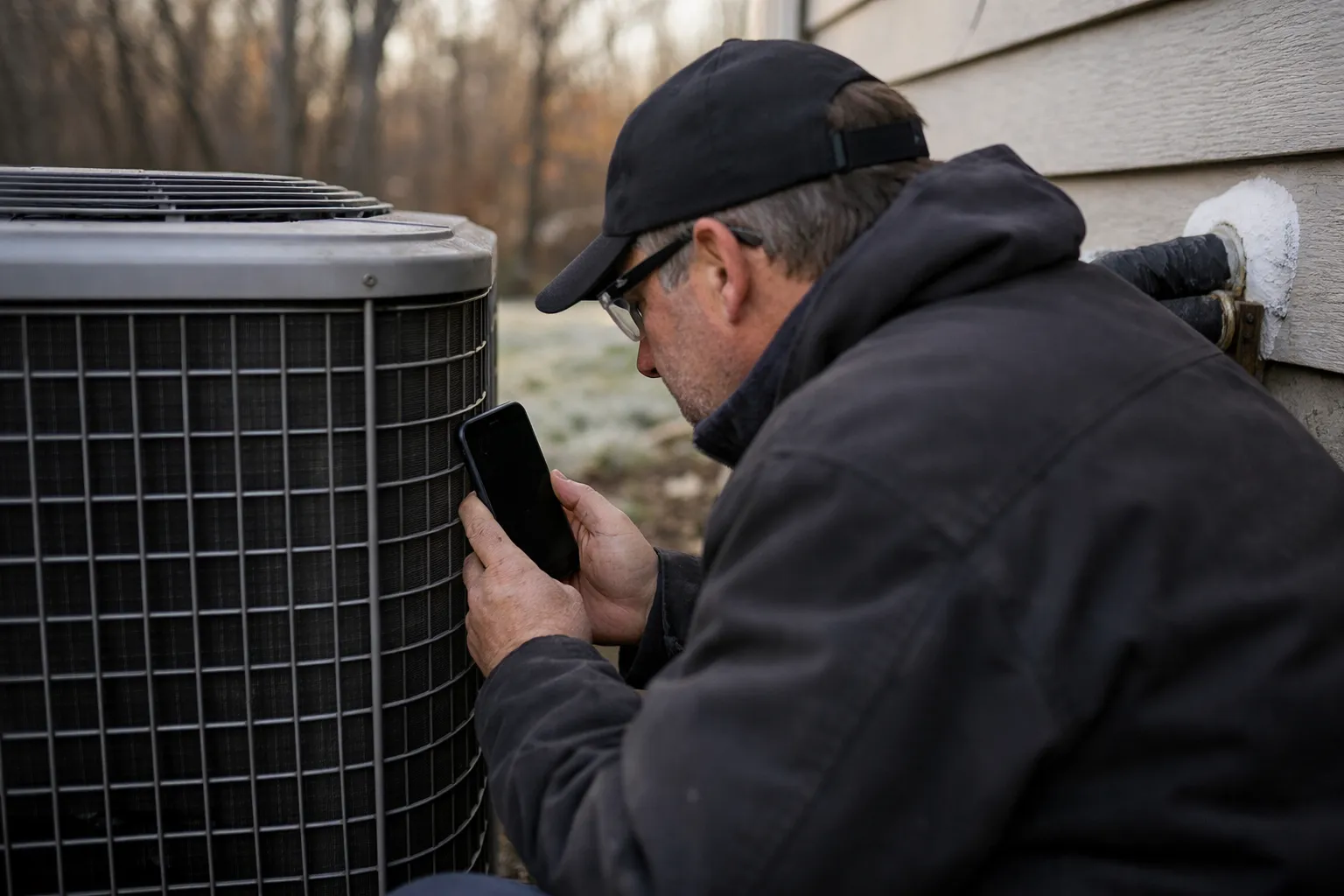
Who: homeowners, landlords and HVAC enthusiasts tracking heat-pump performance. What: an updated decoder for nine common noises that usually mean trouble. When/Where: July 2026, for homes across North America and Europe. Why: new equipment, refrigerants and installation patterns have changed sound signatures—learning them saves money, downtime and warranty headaches.
Why heat-pump noise still works as an early-warning sensor (and what changed by July 2026)
Electrification policy and market forces since the Inflation Reduction Act of 2022 pushed heat pumps into mainstream builds and retrofits. By mid‑2026, inverter-driven, variable-capacity platforms dominate residential installs and low‑GWP refrigerants such as R‑454B and R‑32 have become common in many markets. Those shifts improved seasonal efficiency but also altered what we hear—and when those sounds become diagnostic.
Two practical 2026 realities to keep top of mind:
- Quieter baselines, louder consequences: Modern units run at lower sound levels for longer. That continuous low-frequency operation makes structure-borne vibrations and resonance more audible inside tight urban homes or on rooftop mounts.
- More constrained and complex installs: tighter side-yard placements, roof-mount kits, and longer line sets for multicondensing arrays mean installation detail now explains more noise calls than model defects in many service shops.
Translate that: a new or increasing sound is a data point. Record it, note the conditions, and we can book the right fix—fast.
Heat-pump noise decoder: 9 sounds you should never ignore (July 2026 update)
1) A sharp “BANG” during defrost
What: a loud pop when the system enters or leaves defrost.
Likely causes: reversing-valve slam, large refrigerant pressure transients, or control-timing mismatches on inverter compressors. With newer low‑GWP refrigerants and tighter charge tolerances, pressure shifts can be more abrupt.
July 2026 tip: record the audio, note outdoor temp and the app telemetry (many units log defrost events). If the bang repeats at similar temps, take the recording to your tech—it's diagnostic gold.
2) Metallic “CLANK” at startup/shutdown
What: metal-on-metal noise when the compressor starts or stops.
Most likely: loose mounting bolts, shifted fan shroud, or contact between the compressor and frame—often introduced during retrofit rooftop installs or after service visits.
Quick fix: power down and confirm panels, fasteners and brackets are tight. If the unit sits on a metal deck, confirm anti‑vibration pads were used.
3) Persistent low “HUM” felt indoors
What: bassy vibration louder inside than outside.
Why: structure‑borne transmission via line sets, conduit, or poorly isolated mounts. The quieter operation of modern systems makes the house act like a speaker—especially on masonry or light‑frame walls.
2026 toolset: many contractors now carry low-frequency accelerometers and hand‑held isolators. At home, press the wall around line-set penetrations: if the hum changes, you’ve found the path.
4) “RATTLE‑RATTLE” in wind
What: intermittent rattling on gusty days.
Cause: loose guards, warped louvers, or debris in the base pan. Roof and wall installs are more exposed; wind-induced resonance is a frequent cause of neighbor complaints.
Action: inspect grilles, tighten fasteners and ensure roof brackets include anti‑vibration pads.
5) Sustained “HISSING”
What: prolonged hiss beyond the brief equalization sound.
Most concerning: refrigerant leak, restricted metering device, or abnormal pressure drop. Pair any sustained hiss with performance signs—extended runtimes, low heat output, or uneven frosting—and suspect charge issues.
Homeowner note: confirm basic airflow first—clean filters and open returns. Low airflow can create pressure patterns that mimic leaks.
6) “SCREECH” or high‑pitched squeal at startup
What: a high squeal during startup that fades in 30–60 seconds.
Typical culprits: failing motor bearings (fan or indoor blower), misaligned pulleys on hybrid units, or control‑relay chatter. Bearings give a high‑pitched warning; ignore it and a cold night will catch you.
Diagnostic tip: toggle the thermostat and listen at both indoor and outdoor locations to isolate source; log which action changes the sound.
7) “GURGLING” or “BUBBLING” in lines
What: liquid-like bubbling in the line set or coil.
Reality check: improper charge, oil‑logging, or poor line geometry—longer line runs and higher‑efficiency compressors expose these issues more than older systems did.
Document: record recent service work, line-set length, and whether the outdoor unit is a replacement for an older platform.
8) Nighttime “TICK‑TICK‑TICK” from the air handler
What: repetitive ticking in the air handler that keeps you awake.
Usually: thermal expansion of plastic panels, condensate lines or dampers. Many OEMs accept minor ticking; tighter fitment or simple re-seating often solves it.
9) Pulsing “WHOMP‑WHOMP” during steady demand
What: rhythmic surging when the system runs continuously.
Possible causes: control instability, thermostat‑to‑compressor communication lag, or sensor placement errors. With more communicating, multi‑zone inverter systems in mid‑2026, mismatched control curves and staged virtual compressors are an increasing source of pulsing.
Help a tech: record outdoor temp, indoor setpoint, fan mode and whether the smart thermostat has "adaptive" or "learning" staging enabled.
The 5‑minute sound triage pro checklist (updated for 2026)
- Locate the source: listen at the outdoor unit, indoor air handler, ducts and line set penetrations—don’t guess.
- Note the trigger: startup, shutdown, defrost, wind, humidity or a specific outdoor temperature or time of day.
- Confirm airflow basics: clean filter, open returns, verify condenser and coil cleanliness. Many “noise” problems start with simple airflow issues.
- Check vibration paths: press walls near line-set entries, check brackets, pads and panel fitment for contact points.
- Record and screenshot: 10–20 seconds of audio, thermostat/app telemetry screenshot, outdoor temp and runtime. Share these with your technician—telemetry plus audio cuts truck rolls and speeds warranty decisions.
Impact: who this affects and why quick action pays
Homeowners, landlords and installers all lose when noise is ignored. What begins as an annoyance often becomes efficiency loss, warranty disputes or premature compressor failures. Proper commissioning—verified refrigerant charge, documented isolation and post‑install noise checks—remains the single best predictor of quiet, reliable operation.
Reactions from the field
Independent contractors and commissioning techs report in mid‑2026 that installation quality, not specific models, explains most noise-related callbacks. Contractors using portable accelerometers and acoustic imaging cut diagnostic time substantially; many now ask homeowners for phone recordings and thermostat screenshots before arriving on site.
What’s next: tools and timelines to watch (12–18 months)
- Expect manufacturers to expand app telemetry tied to noise and vibration logs—some already allow techs remote access to vibration events for faster triage.
- Acoustic imaging, calibrated low‑frequency meters and portable accelerometers will become standard on pro trucks; if your contractor doesn’t use them, ask why.
- Local nuisance ordinances will continue to influence placement choices—document commissioning and noise tests to protect warranty coverage and neighbor relations.
FAQ
Is some heat‑pump noise normal?
Yes. Brief clicks, short equalization hisses during defrost and a low inverter hum at steady low speed are normal. Red flags are new sounds, increasing volume, or noises tied to lost comfort or poor defrost behavior.
Can a phone app be used to diagnose noise?
Phone recordings are valuable for documentation and to show a technician real-time conditions, but they aren’t a substitute for calibrated meters or accelerometers. Record audio plus thermostat/app screenshots and share them with your service tech.
When should I shut the system down?
Shut down and call a technician immediately for grinding, loud repeated bangs, burning smells or tripped breakers. For persistent hissing, weak heat or uneven frosting, schedule service promptly—don’t wait for total failure.
Will moving the outdoor unit a few feet help?
Sometimes. Small relocations can eliminate corner reflections, break vibration paths and reduce structure‑borne transmission. But moves affect line length, refrigerant compensation and mounting—have a qualified tech evaluate and perform the relocation.
The bottom line: in July 2026, sound is still one of the best diagnostics we’ve got. Record the noise, note operating conditions, do the five‑minute triage and get a professional diagnosis before a small fix becomes a winter emergency.