
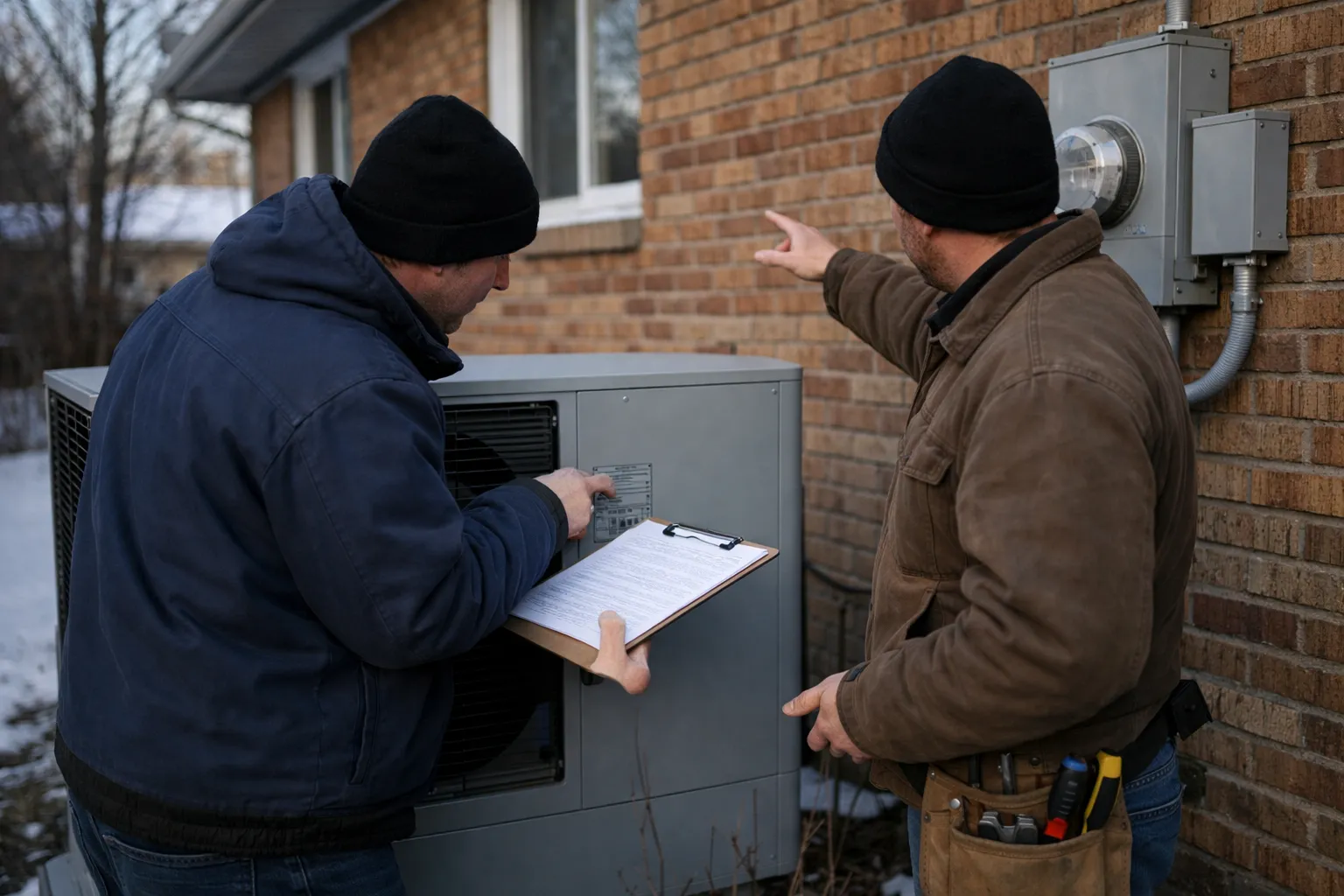
Overview: why this update matters in November 2026
For owners, designers and HVAC enthusiasts considering retrofits today, the choice remains a tactical one between full electrification with cold‑climate air‑source heat pumps and a dual‑fuel approach that preserves combustion backup. What changed since mid‑2026 is operational: incentive pipelines matured, contractor capabilities consolidated, and new on‑site and grid‑level tools have altered the cost, comfort and risk calculus. This update pulls together what high‑end homeowners actually need to know right now—how to avoid surprise costs, where to demand documentation, and which tradeoffs are genuinely material to comfort, resale and lifecycle cost.
Background: what led us here
Three converging forces set the current landscape:
- Program maturation: Federal and state funding that accelerated heat‑pump deployment is now routinized in many territories. That has reduced administrative friction for some projects but increased the importance of sequencing and documentation in contractor bids.
- Contractor market consolidation and specialization: Through 2026 larger firms and specialty electrification teams have absorbed or partnered with local shops, creating more turnkey offers that bundle Manual J, electrical work, incentive capture and financing. At the same time, smaller legacy shops still favor dual‑fuel pathways when electrical risk or envelope issues are unresolved.
- New hardware and grid tools: Load‑management panels, smarter breakers, and integrated battery + heat‑pump packages are now mainstream options rather than curiosities. Utilities increasingly accept these mitigations as alternatives to immediate service upgrades in defined program areas.
Data & evidence: updated practical realities
Installed cost: the electrical pathway dominates the variance
Installed equipment cost remains only part of the equation. In high‑end retrofits the single largest source of variability is the electrical scope—panel work, service upgrades, meter work and utility coordination. What’s new in late‑2026:
- Leading bidders now routinely include a meter‑level data pull (with homeowner permission) to quantify recent peak demand before sizing the electrical pathway. This simple step reduces the odds of an unexpected service‑upgrade invoice.
- Several utilities formalized “pre‑approval packages” that, when completed before contract signing, lock portions of make‑ready or meter work eligibility. The takeaway: secure written confirmation of rebate eligibility and timeline before you commit.
- Financing matches have broadened. National installers commonly offer bundled financing that includes equipment, electrical work and an assumed rebate. Read the total finance cost and contingency terms carefully—some offers assume rebate capture that may require homeowner documentation or delays.
Operating cost: tariffs and the winter peak reality
Heat pumps generally provide superior seasonal efficiency compared with resistance heating and often beat combustion systems on site energy use. But operating cost outcomes are now more sensitive to tariff structure than ever:
- Winter‑focused utility programs expanded through 2026. Where winter time‑of‑use (TOU) or targeted demand charges are in place, households that enroll in managed control programs or accept load‑shifting see noticeably improved economics for heat‑pump‑only strategies.
- Dual‑fuel remains a pragmatic and sometimes permanent choice where local tariff design, short‑term electrification incentives, or high upfront electrical upgrade costs make full electrification cost‑ineffective in the near term. Expect this tradeoff to be location‑specific.
Electrical constraints and new mitigations
Homes with older 100A services or crowded panels are still the most common friction point. The practical options that found broader acceptance by November 2026 include:
- Smart load‑management hardware: Integrated panels and smart breakers that sequence EV charging, water‑heater boosts and HVAC startup are increasingly accepted by AHJs and utilities when properly documented.
- Utility make‑ready programs: In territories that adopted make‑ready frameworks, utilities will cover conduit and meter work when projects follow pre‑approval steps and approved contractor lists. Availability remains highly variable—verify early.
- Battery‑plus‑heat‑pump packages: Packaged offers from national installers now include modest battery capacity sized specifically to avoid service upgrades during common winter peaks. Batteries add resilience and defer capital expenses, but they require warranty scrutiny and lifecycle cost analysis.
Practical rule: require a written electrical scope from a licensed electrician and a documented utility precheck as part of any bid. This is still the most effective defense against later cost surprises.
Comfort, noise and commissioning: luxury expectations standardize
For discerning owners, HVAC quality is about evenness, sound, humidity control and the whole ownership experience. Installers serving luxury markets have raised expectations:
- Site‑specific acoustic mitigation—vibration isolation pads, sound‑attenuating louvres and low‑RPM fans—are often specified up front. Ask for predicted dB levels at property lines and neighbor‑facing facades.
- Commissioning has moved from optional to expected. Top contractors now include blower‑door tests, duct‑leakage tests and measured refrigerant‑charge verification, with results provided in a handoff packet for owners and future buyers.
Multiple perspectives: who’s saying what now
Contractors
High‑end electrification specialists emphasize documented deliverables: Manual J, an electrical pathway, incentive pre‑approval and commissioning. Traditional HVAC shops remain important for hybrid solutions; they often recommend envelope-first work before committing to full electrification.
Utilities and grid planners
Utilities continue to prioritize winter peak management. Their practical advice is consistent: deploy higher‑performance heat pumps, create reliable enrollment pathways for managed programs, and expand make‑ready offers where system constraints are local and visible.
Policy and decarbonization planners
Policy advocates pressed in 2026 for clearer rules on covering electrical upgrade costs in incentive design; several states moved toward explicit allowances for make‑ready work in targeted programs. Expect continued focus on equitable access to electrification dollars.
Homeowners and buyers
Luxury buyers now view “all‑electric” as an asset in many markets, but they demand defensible lifecycle math, minimal disruption and documented commissioning that will show up in resale materials. Sensible buyers insist on clarity around utility credits, maintenance expectations and potential future electrification costs for additional loads (EVs, pools).
Implications: an updated decision framework for November 2026
1) Start with data, not assumptions
Require a Manual J and provide recent utility bills or authorize a meter‑level data pull. That data materially changes sizing, electrical scope and projected operating costs.
2) Lock the electrical and incentive pathway before signing
Obtain a written electrical scope from a licensed electrician and secure any required utility pre‑approval. Have the contractor list each incentive they will pursue and the documentation required from you.
3) Model tariffs and managed‑service options
Ask contractors to model bill outcomes under current flat rates and any local TOU or demand designs. Include managed control enrollment scenarios—sometimes a small behavioral commitment or a managed thermostat enrollment materially improves economics.
4) Sequence envelope upgrades to reduce system and electrical size
Air sealing, insulation and targeted duct repairs can shrink required equipment and defer electrical upgrades. In many cases, a modest envelope investment reduces total project cost and improves comfort.
5) Contract commissioning and acoustic targets
Insist on post‑install commissioning with measurable targets and a handoff packet. Specify outdoor‑unit siting, isolation, and a defrost nuisance mitigation plan in writing.
Outlook: what to watch through 2027
- Further clarification in rebate program rules about eligibility for electrical upgrade costs and make‑ready coverage.
- Wider AHJ acceptance of standardized load‑management devices as manufacturers publish installation and inspection protocols.
- Expansion of winter TOU and demand‑response programs that can materially change operating‑cost math for electrified homes.
- Market consolidation among firms that can deliver thermal, electrical and incentive workflows—look for companies that publish clear deliverables, performance guarantees and documented commissioning records.
FAQ
Is dual‑fuel a durable, long‑term strategy or just a stopgap?
Dual‑fuel can be a defensible long‑term choice in homes where envelope upgrades are costly, electrical upgrades are prohibitive, or local tariffs favor partial electrification. It reduces near‑term electrical risk but preserves combustion emissions and future fuel exposure—so treat it as a pragmatic, location‑specific strategy rather than a moral failing.
Will incentives pay for panel or service upgrades?
Sometimes. Several utilities and state programs now offer make‑ready or partial support when projects follow pre‑approval pathways and use approved contractors. Availability is territory‑specific; always secure written confirmation before contracting and budget for contingencies.
How can I avoid an unexpected service upgrade bill?
Insist on an electrical assessment during the initial site visit, a written electrical scope signed by a licensed electrician, and early coordination with your utility. If service upgrades are probable, compare the lifecycle cost of upsizing versus managed‑load or battery options—don’t assume upsizing is inevitable.
What commissioning and documentation should I require?
Require blower‑door and duct‑leakage tests, measured airflow and refrigerant‑charge verification as part of post‑install commissioning. Obtain a handoff packet that includes test results, setpoint guidance, warranty paperwork and a maintenance schedule—these materially improve long‑term performance and resale transparency.
Should luxury homeowners prioritize quiet or performance?
No. With correct sizing, site‑specific acoustic treatments and thorough commissioning, modern cold‑climate heat pumps can deliver both. Specify noise targets, defrost strategies and vibration isolation in the contract to ensure neighborhood amenity without sacrificing low‑temperature performance.