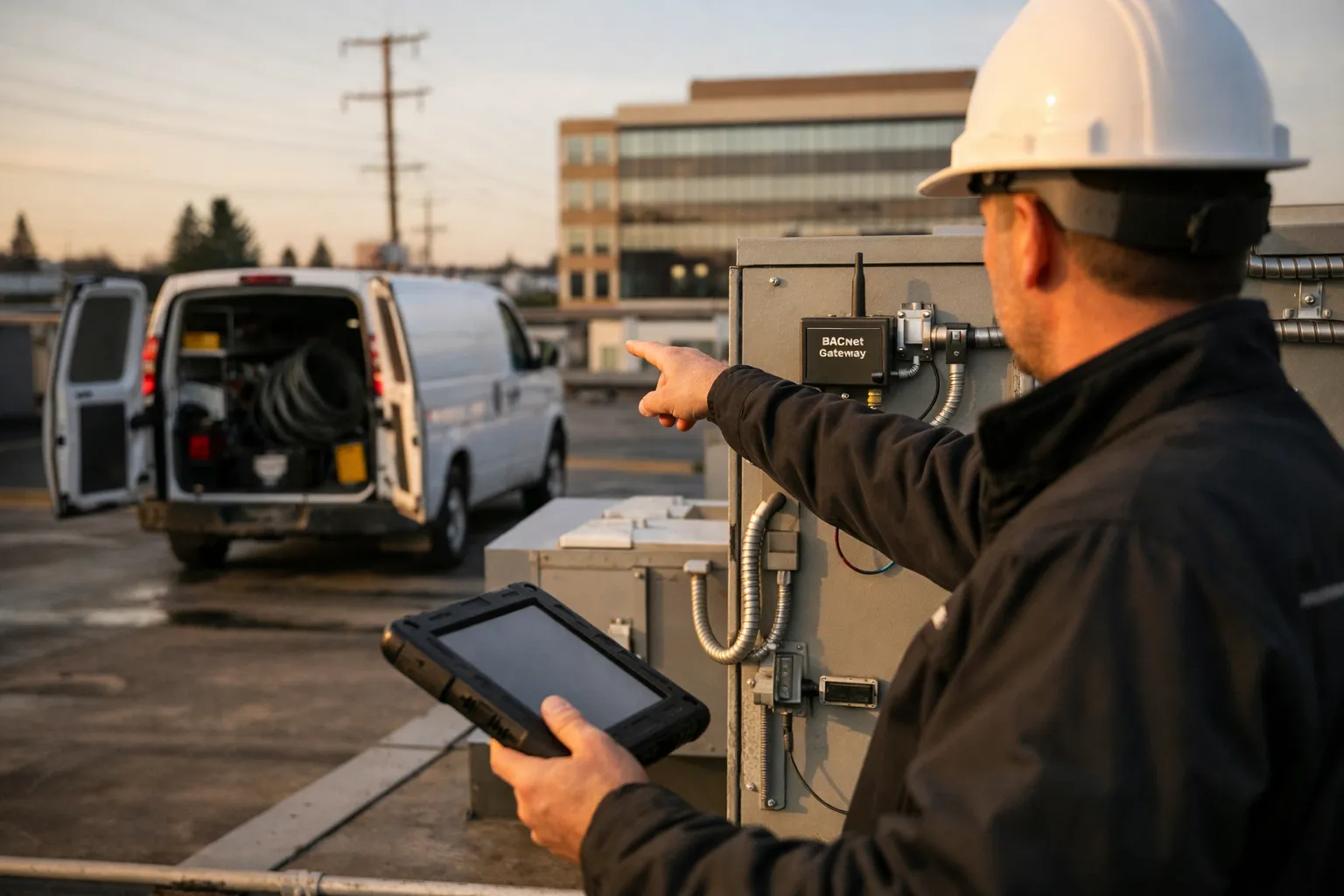
Wholesale power markets and utilities moved decisively in 2026 to monetize flexibility from distributed HVAC systems, accelerating pilots, tariff changes and commercial programs that pay commercial and residential buildings for load shifts. The shift is creating new revenue streams for building owners and new technical requirements for HVAC contractors, controls specialists and system integrators.
Why HVAC flexibility is in demand
System operators face tighter balancing needs as variable renewables and electrification raise hourly and sub-hourly variability on the grid. Aggregated demand-side resources—especially HVAC systems that can shift setpoints or modulate compressors for short periods—offer operators a fast, low-cost resource for capacity, reserves and ancillary services. Since the Federal Energy Regulatory Commission’s Order 2222 framework cleared the path for distributed energy resources to participate in wholesale markets, ISOs and utilities have accelerated programs to turn that potential into contracted, dispatchable capacity.
What changed in 2026
- ISOs and utilities expanded tariff rules and pilot programs to accept aggregated building HVAC loads into capacity and ancillary service markets.
- Demand-aggregation platforms and third-party aggregators scaled enrollment of commercial rooftop units, packaged heat pumps and connected thermostats.
- Market participation moved from ad-hoc demand-response events to firm, performance-based contracts that require telemetry, automated control and verification.
How the market structures are shifting
Market operators are standardizing technical requirements for demand-side resources: baseline measurement, telemetry, curtailment verification and penalties for nonperformance. That pushed aggregators to refine product offerings that package hundreds to thousands of HVAC endpoints into a single market asset.
There are now three common contract types available to building owners:
- Capacity-style agreements that reserve a committed amount of load reduction for peak hours.
- Ancillary-service-style contracts that require quicker, shorter-duration responses to system contingencies.
- Utility-sponsored programs that blend bill credits, peak-reduction incentives and performance payments for enrolled equipment.
Implications for HVAC installers and contractors
For HVAC trade professionals, the landmark change is practical: more projects will require integrating building controls with aggregator platforms and proving performance to market operators. Key implications include:
- Controls and communications: Installations increasingly must expose setpoint and runtime controls via BACnet, Modbus, or vendor APIs to aggregator or building‑management platforms. Open, authenticated interfaces and secure remote access are often contract prerequisites.
- Telemetry and metering: Aggregation contracts require verified performance data. Owners and contractors will need to deploy interval meters or substations metering plus data-loggers or gateway devices that relay consumption and response logs to aggregators.
- Commissioning and verification: Programs expect documented pre- and post-enrollment baseline tests, end-to-end commissioning of control sequences, and periodic verification runs to demonstrate contracted capability without degrading occupant comfort.
- Equipment lifecycle and warranties: Frequent dispatching or deeper cycling may affect equipment wear. Contractors must negotiate manufacturer guidance, warranty terms and limits on cycling frequency into project scopes.
- Occupant comfort and override logic: Effective programs balance grid value and occupant comfort by establishing tiered override rules, minimum setpoint windows and opt-out provisions to maintain building function.
Technology trends enabling participation
Several technology trends reduced the friction to entry for HVAC assets:
- Commercial and residential connected thermostats and cloud-based BAS platforms that expose APIs for aggregation.
- Edge controllers and retrofit gateways that translate legacy BAS protocols into secure, cloud-friendly telemetry streams.
- Aggregator platforms that handle baseline modeling, dispatch logic and settlement reconciliation on behalf of owners.
Real-world program models
Different regions have emphasized different use cases. In some markets, seasonal capacity auctions are the primary revenue stream; in others, fast-response ancillary services provide higher per-event revenue. Utility-sponsored enrollment programs remain important in regions where retail tariffs and PUC rules cap wholesale-style participation.
For HVAC professionals, the takeaway is to understand which program model dominates your service territory: a seasonal capacity product requires reliable, predictable curtailments; an ancillary-service product requires faster response and tighter performance windows.
What contractors should do next
- Audit controls and telemetry readiness on service accounts. Identify gateways, BACnet/Modbus endpoints and metering gaps.
- Build standard scopes of work that include cybersecurity hardening, authenticated API access and documented commissioning procedures required by aggregators and markets.
- Engage with aggregator partners early to understand verification methods and to negotiate cycling limits that protect equipment.
- Train technicians in remote commissioning, telemetry diagnostics and data-driven fault detection to reduce performance-risk during enrollment.
Risks and open questions
Rapid market growth brings open policy and operational questions. Compensation formulas and baseline methodologies remain contested in some ISOs, and inconsistent verification practices can create payment disputes. Equipment lifecycle impacts and warranty coverage are also active areas of vendor/contractor negotiation. Finally, cybersecurity and privacy standards around building telemetry demand consistent practices to meet regulator and corporate requirements.
Bottom line
In 2026 the market for aggregated HVAC flexibility moved from pilot to scale in many regions. For HVAC professionals, that means new revenue opportunities for customers—and new technical and contractual expectations for contractors. Firms that invest in controls expertise, telemetry readiness and commissioning workflows will be positioned to capture the growing market for grid-interactive HVAC services.