
Overview: What we’re updating and why it matters
Variable‑speed (inverter) heat pumps continue to define the premium tier of residential HVAC: whisper‑quiet operation, tighter temperature control and superior dehumidification compared with single‑stage units. Between March and June 2026, the practical purchase calculus shifted because of three concurrent trends — accelerated A2L refrigerant adoption, broader utility grid‑interactive programs and a fast‑evolving service model that centers firmware, remote diagnostics and spare‑parts logistics. This update reconciles recent field signals and offers a concise, tactical checklist for owners and buyers who expect luxury comfort without disproportionate repair exposure.
Background: What changed since March 2026
The technical premise—modulating compressor and fan speeds to match load—hasn’t changed. What has shifted are the operational and regulatory margins around that technology.
- A2L refrigerants gaining operational maturity. More inverter product lines now ship with low‑GWP, mildly flammable refrigerants. Jurisdictional adoption remains staggered: some permitting authorities require additional paperwork or witnessed tests, while others have streamlined approvals as inspectors gain experience. The net effect: installation crews need A2L‑specific practices on day one.
- Grid‑interactive HVAC (GIV) programs expanding. Utilities moved from pilots into program rollouts in multiple regions during H1 2026, offering time‑of‑use credits and demand‑response payments for modulating equipment. Variable‑speed systems, when properly commissioned and controlled, can participate without obvious comfort loss.
- Service model evolution. Contractors have sharpened two differentiators—firmware and parts strategy. Installers that offer over‑the‑air (OTA) firmware management, documented rollback procedures and contractual SLAs for remote diagnostics now command premium pricing because these measures materially reduce downtime risk.
Data & evidence: Comfort, efficiency and the evolving failure landscape
Efficiency: measurable gains with conditional returns
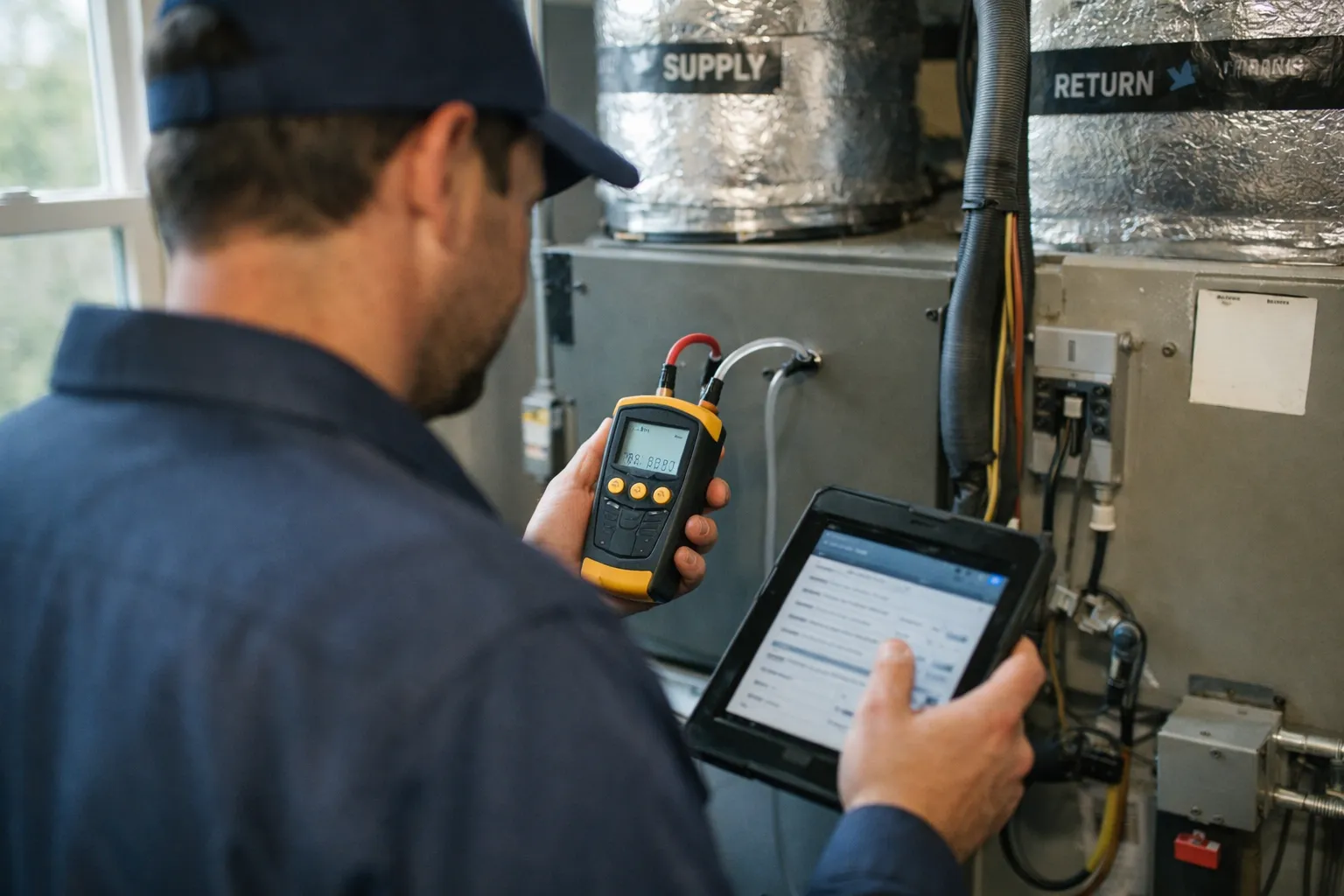
Published SEER2/HSPF2 ratings still favor variable‑speed designs because extended part‑load operation improves seasonal averages. Field monitoring aggregated from Building America projects and contractor field logs through 2025–mid‑2026 confirms a familiar pattern: real‑world efficiency tracks lab ratings only if three installation anchors are in place—correct refrigerant charge, verified airflow, and tight distribution ducts.
Practical takeaways:
- In mixed‑climate and mild regions, properly commissioned variable‑speed systems routinely deliver the largest percentage energy savings versus legacy systems, particularly across shoulder seasons where low‑load hours dominate.
- In very cold climates, modern inverter designs preserve usable capacity better than earlier models, but overall seasonal efficiency still depends on defrost strategy, heat strip staging and backup heat configuration.
Comfort and acoustics: the luxury variable
The sensory difference remains the primary reason affluent buyers choose inverter systems. Longer runtimes at low speed create a steady “climate layer”: fewer temperature swings, diminished in‑home noise and improved latent load control. Owners report the most noticeable gains in homes with open plans and well‑sealed building envelopes where small fan speed changes are audible only in close proximity.
Reliability and repair risk: electronics now front and center
Through June 2026, field feedback maintains that variable‑speed changes the failure profile more than the frequency. The highest‑impact service items are electronic and model‑specific:
- Inverter/drive modules and power electronics — vulnerable to voltage transients, poor surge protection and thermal stress.
- Proprietary communication boards and sensor networks — replacement often requires model‑specific parts and OEM diagnostic tools.
- ECM blowers and matched indoor modules — higher cost than legacy PSC motors and sometimes tied into warranty or telemetry requirements.
Importantly, the aftermarket picture improved in many metropolitan areas: distributors report shorter lead times for common control boards and compressors in major ZIP codes, but rural customers still face multi‑week waits for some SKU‑specific items. Where delays persist, owners endure both comfort disruption and economic cost—hotel stays, electric resistance heat penalties, or emergency labor.
Multiple perspectives: contractors, manufacturers and owners in mid‑2026
Contractors: commissioning, firmware and inventory as service pillars
Top contractors now present three deliverables as standard on premium installs: a commissioning dossier (Manual J, duct static and airflow verification, refrigerant charge report), a firmware and connectivity plan (OTA schedule, rollback procedure, who stores logs) and a parts strategy (which spares are stocked, lead‑time commitments from distributors). Firms that omit any of these see higher callbacks and shorter customer retention.
Manufacturers: ecosystems, OTA updates and A2L support
Manufacturers continue to push the matched‑system argument because full feature sets—advanced defrost, humidity optimization and grid responses—depend on end‑to‑end communication. A new emphasis in 2026 is OTA firmware management: many brands now support staged rollouts and emergency rollbacks, which reduces field lockouts caused by firmware regressions. However, OTA introduces its own support requirements—cybersecurity and remote‑access SLAs are now standard negotiation points between installers and OEMs.
Homeowners: luxury buyers want predictable uptime
Affluent buyers treat HVAC like the drivetrain of a luxury car: they value refinement but insist on predictable service. For this audience, the premium of a variable‑speed system is justified when the installer offers clear metrics for uptime, parts availability and proactive firmware governance. Absent those assurances, many high‑end buyers opt for a right‑sized two‑stage system plus elevated commissioning—lower electronic exposure with comparable perceived comfort.
Implications: Updated checklist for June 2026 buyers and owners
1) Lock down A2L permitting and inspector experience before contract
Ask your installer for recent local permits for A2L systems and for a list of inspectors who have signed off on similar installations. If your jurisdiction still requires witnessed pressure tests or additional documentation, build that time and cost into the schedule.
2) Require commissioning plus firmware governance
Commissioning remains non‑negotiable. Add firmware governance to that list: demand a written OTA update policy, a rollback plan, who will manage updates and whether updates are included for a set period. If remote diagnostics are enabled, specify data retention and privacy terms.
3) Clarify parts strategy and SLAs
Ask pointed questions: what critical parts are commonly replaced on this platform, what are typical local lead times, does the contractor stock the item or have a priority agreement with a distributor, and are extended labor warranties available? For luxury properties, consider a yearly service plan that includes an agreed parts pool.
4) Optimize for humidity as much as temperature
Variable‑speed systems earn their keep in humid climates. Insist on controls that allow humidity‑first setpoints or decoupled temperature/humidity strategies. If your installer can document latent capacity across likely shoulder‑season conditions, include that data in the selection worksheet.
5) Consider a hybrid approach when appropriate
For many houses, a “right‑sized premium” is optimal: a modern two‑stage unit with premium commissioning can deliver much of the perceptible comfort while reducing reliance on model‑specific electronics. Variable‑speed is most compelling where low ambient sound, precise humidity control and GIV participation will be actively used.
Outlook: What to watch for through 2026–2028
- A2L code harmonization: inspector familiarity will continue to improve, narrowing regional permitting variability by late 2026 into 2027.
- GIV program scale: utilities will increasingly offer recurring payments and seasonal credits for modulating HVAC assets; homeowners with competent commissioning stand to benefit financially.
- Service stratification: the market will split between contractors who invest in commissioning, firmware management and spare‑parts pools and those who compete on price with conventional equipment. “Who installs it” remains as important as “what model you buy.”
FAQ
Do variable‑speed heat pumps require different contracting language?
Yes. For inverter systems insist on a commissioning report, an OTA firmware policy with rollback provisions, and explicit parts/SLA commitments. These items materially affect uptime and the long‑term ownership experience.
Is A2L refrigerant adoption increasing homeowner risk?
Not if the installer and local authorities are experienced. A2L refrigerants are mildly flammable and require specific handling and permit steps, but contractors trained in A2L practices and inspectors familiar with the code typically complete installations without incident. The main risk remains administrative delays in jurisdictions still building inspection capacity.
How should owners weigh the efficiency premium against repair exposure?
Evaluate total cost of ownership: energy savings, comfort value, expected maintenance and downtime risk. If you can secure strong commissioning, firmware governance and a parts strategy, variable‑speed often justifies its premium. If local service support is thin or ducts are poor, invest first in distribution improvements and consider a two‑stage alternative.
Can firmware updates cause failures in the field?
Occasionally. Poorly staged firmware deployments can introduce bugs that affect communication or control logic. That risk is mitigated by staged rollouts, rollback capability and SLAs for remote remediation—items you should require in writing.
What should a luxury buyer demand at sign‑off?
At minimum: a commissioning dossier (Manual J, duct and airflow verification, refrigerant charge), written OTA/firmware policy, documented parts/lead‑time commitments, and a clear warranty including optional labor or service plans. These elements protect both comfort and the investment premium.