
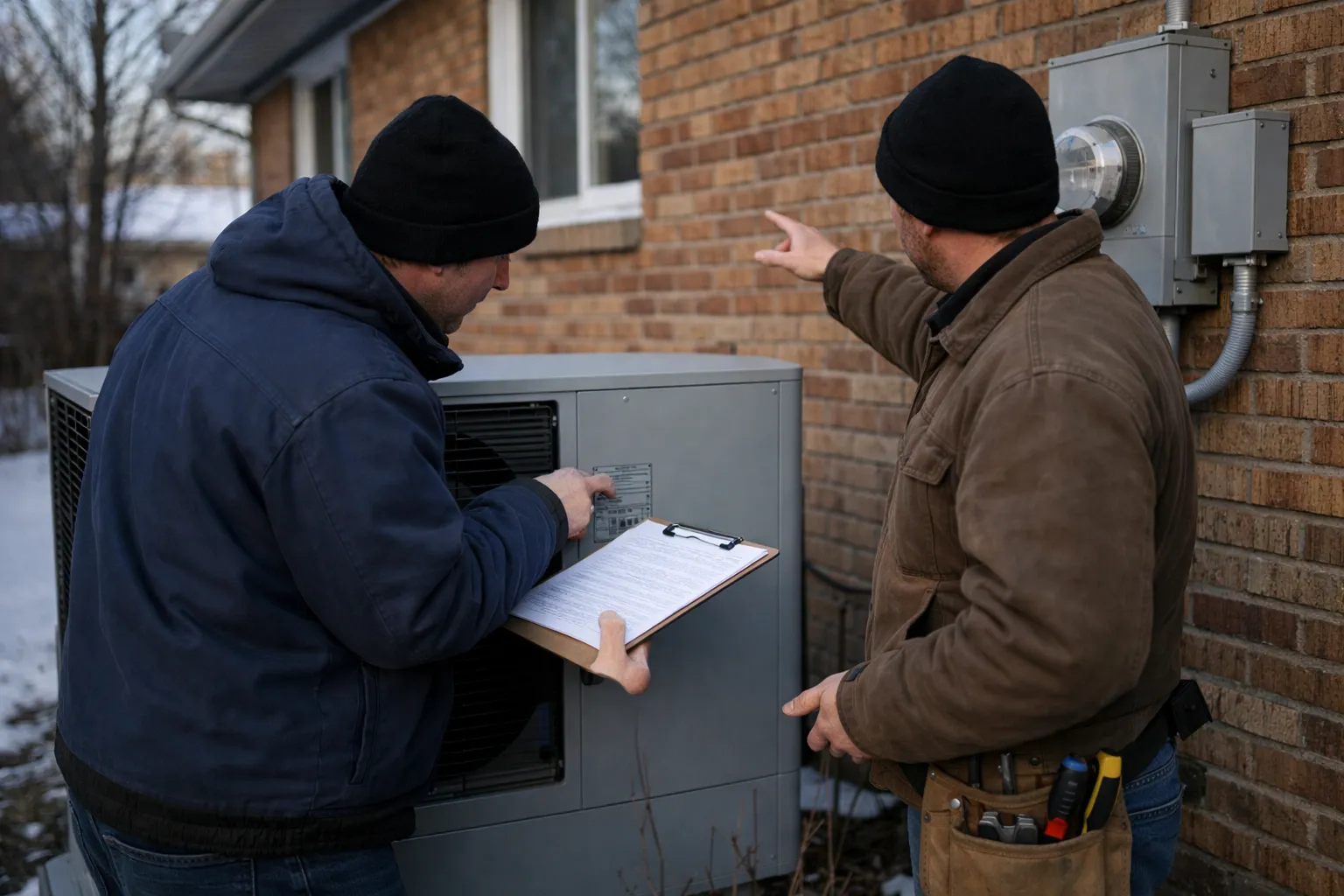
Overview: two retrofit paths remain decisive—and the choice is more tactical than ideological
For owners and designers of existing homes in June 2026, the central retrofit choice still cleaves to two practical paths: full electrification (cold‑climate air‑source heat pumps plus the electrical work they require) or a dual‑fuel strategy that pairs heat pumps with retained or new combustion backup. What has shifted in the past months is less about the existence of options and more about execution. Equipment reliability has continued to improve; incentive and utility programs are operationally mature in many markets; and contractors increasingly show competence in the systems‑level coordination—Manual J, service pathways, and incentive capture—that determines whether a retrofit is successful, quiet, and cost‑effective.
Background: why the tradeoff is sharper and more actionable now
Three developments that accelerated through 2025 and into 2026 now shape retrofit decisions:
- Product maturity and installation quality: Leading cold‑climate heat pumps continue to extend practical operating range and part‑load efficiency through variable‑speed compressors, improved refrigerant management and refined defrost algorithms. Equally important, field installation quality—sizing, refrigerant charge practices, and commissioning—has emerged as a decisive differentiator.
- Program and paperwork clarity: State and utility rebate pipelines tied to federal programs have moved from pilot status into regular workflows. That has made incentive capture a core deliverable in contractor bids rather than an afterthought—and it has exposed the paperwork and sequencing that can add or subtract several thousand dollars from the homeowner’s net cost.
- Electrical ecosystem evolution: Wider utility familiarity with load‑management devices, pre‑approved make‑ready programs, and an expanding set of turnkey coordination services from larger contractors reduce the probability of an unexpected service upgrade—though they don’t eliminate it.
Data & evidence: practical realities of cost, energy, and constraints
Installed cost: equipment remains only part of the ledger
Installed‑system pricing still varies by region, home envelope condition, ductwork, and equipment tier. In practice, the electrical scope—panel replacements, service upgrades, meter exchanges and utility coordination—often drives the largest variation in out‑the‑door cost. Forward‑looking bidders typically provide two figures today: a heat‑pump‑only price and a fully scoped electrification price that includes the electrical pathway and incentive assumptions.
What’s new in mid‑2026:
- Contractors increasingly attach a utility precheck or site‑level electrical estimate to the preliminary site visit. That early step reduces surprise bills and is now standard among firms that market to high‑end homeowners.
- Some state and utility rebate programs have clarified that portions of electrical work—meter‑main, short service upgrades and make‑ready conduit—are eligible when performed by approved contractors and documented in pre‑approval packages. Always obtain written confirmation of rebate scope before signing.
- Financing options have expanded: manufacturer financing, contractor lines, and green energy loans tailored to electrification are more widely available, often bundled in quotes. Examine total finance cost and compare to projected operating savings.
Operating cost: seasonal performance, tariffs, and new rate designs
Heat pumps generally win on seasonal efficiency versus resistance heat and can beat combustion systems on site energy in many climates. However, operating‑cost outcomes depend on three enduring variables: heat‑pump seasonal performance across local winter temperatures, the home’s heating load, and local energy pricing including time‑of‑use (TOU) and demand charges.
Notable 2026 updates:
- Winter TOU pilots and targeted demand‑response programs have expanded. In markets where utilities have launched winter TOU, participating households that shift load or enroll in managed control programs report materially improved heat‑pump economics. If your utility has a winter TOU tariff, model both static and TOU scenarios before deciding.
- Dual‑fuel remains a pragmatic choice where electricity tariffs, winter demand charges, or retrofit electrical risk materially raise upfront cost. The strategy can reduce near‑term bills and avoid expensive service upgrades, though it retains exposure to future fuel‑price volatility and ongoing combustion emissions.
Electrical constraints: new mitigation options and where they work
Homes with 100A service or panels that lack spare capacity continue to be the most common point of friction. Mitigation options that gained traction in 2026 include:
- Load‑management panels and smart breakers: Devices that sequence or temporarily shed nonessential loads (EV charger, water‑heater boost) to avoid upsizing service. These are now more widely accepted by many AHJs when properly documented and installed.
- Utility make‑ready and rebate pathways: In selected territories utilities subsidize meter‑main and conduit work when projects use approved contractors and meet program requirements. The availability of these make‑ready offers varies by utility—verify availability and timing early.
- Integrated battery‑plus‑heat‑pump offers: Packaged solutions from national installers and some OEM partnerships allow battery storage to shave peak draw and postpone service upgrades. Batteries add resilience but also capital cost and maintenance complexity; treat them as a deliberate choice, not a default.
Critical practice: insist on an electrical scope signed by a licensed electrician and a documented utility precheck. That remains the single best defense against an unexpected service upgrade bill.
Comfort and luxury: noise, humidity, and commissioning matter
For discerning homeowners, HVAC quality is about evenness, sound, and perceived control. Heat pumps deliver quieter indoor operation and longer run cycles that many occupants prize; when paired with variable‑speed indoor equipment and proper airflow, they also deliver improved dehumidification in shoulder seasons.
2026 installer practices worth noting:
- High‑end installs increasingly include site‑specific acoustic treatments (vibration isolation pads, sound‑attenuating louvers, and low‑speed fans) and detailed defrost strategies to limit outdoor‑unit nuisance in dense neighborhoods.
- Post‑installation commissioning—blower‑door tests, duct leakage tests and measured refrigerant charge verification—is becoming a differentiator. Insist on documented commissioning with performance targets and a handoff packet that includes setpoint guidance and maintenance schedule.
Multiple perspectives: where stakeholders now land
Contractors
Contractors continue to bifurcate. Electrification‑specialist firms offer end‑to‑end Manual J, electrical planning, incentive paperwork and bundled financing. Traditional HVAC shops increasingly recommend dual‑fuel where electrical risk is high or the envelope is poor. The best firms publish a three‑part deliverable: load calc, electrical pathway and incentive checklist—with commissioning and a maintenance plan included.
Utilities and grid planners
Utilities are focused on winter peak management. Their practical advice: prioritize higher‑performance cold‑climate heat pumps, build enrollment pathways for managed thermostat and EV charging programs, and expand make‑ready offers to facilitate adoption without immediate service upgrades.
Policy advocates and decarbonization planners
Advocates emphasize that electrification’s carbon advantage grows as grid supply decarbonizes; they are pressing state programs to explicitly include electrical upgrade costs where feasible to avoid leaving behind households that cannot afford service work.
Homeowners and buyers
High‑end owners are pragmatic: they want quiet, resilient systems with transparent lifecycle cost math and resale appeal. “All‑electric” is a marketable attribute in many regions, but buyers increasingly value a defensible cost case and minimal disruption.
Implications: an updated practical decision framework for June 2026
1) Require a Manual J and documented commissioning plan
Begin with a Manual J load calculation and end with documented commissioning. A correctly sized system plus measured airflow and duct sealing produces better comfort than an oversized unit in a leaky system.
2) Lock the electrical pathway and incentive plan early
Obtain a written electrical scope and a utility precheck. If rebates depend on pre‑approval, secure that documentation before contract execution. Ask the contractor to itemize which incentives they will pursue and who will handle appeals or denials.
3) Use meter data and model tariffs
Provide the contractor with actual utility bills and request operating‑cost scenarios under current flat rates and any likely TOU or demand charges. Model both heat‑pump‑only and dual‑fuel cases with clear assumptions.
4) Sequence envelope work to reduce system size and electrical scope
When air sealing, insulation or duct sealing is cost‑effective, do that before or at the same time as the HVAC upgrade. A smaller heat pump can reduce required electrical capacity and improve comfort.
5) Specify acoustic and commissioning criteria in the contract
Include outdoor‑unit siting, vibration isolation, and a documented defrost strategy. Require post‑install commissioning with blower‑door and duct‑leakage results and an operations packet for owners and future buyers.
Outlook: what to watch through 2026–2028
- Further clarifications in state rebate program rules that affect whether electrical work is eligible and how to document it.
- Broader AHJ acceptance of load‑management solutions as manufacturers and contractors build standardized installation and inspection protocols.
- Expansion of winter TOU and demand‑response programs that can materially alter operating cost math for electrified homes.
- Market consolidation among contractors that can integrate thermal, electrical and incentive workflows—look for firms that publish clear deliverables and performance guarantees.
FAQ
Is dual‑fuel a durable, long‑term strategy or just a stopgap?
Dual‑fuel is a legitimate long‑term choice for many homes. It lowers near‑term electrical risk and can reduce monthly bills where electricity tariffs or winter peaks remain costly. The tradeoffs are continued combustion infrastructure, exposure to future fuel‑price swings and lower carbon reductions compared with full electrification as grids decarbonize.
Will incentives pay for panel or service upgrades?
Sometimes. Some state rebate programs and utilities offer make‑ready or partial support for electrical upgrades when bundled with qualifying heat‑pump installs. Availability varies by territory and typically requires pre‑approval and approved contractors—always secure written confirmation before signing contracts.
How can I avoid an unexpected service upgrade bill?
Insist on an electrical assessment during the initial site visit, require a written electrical scope, and ask the contractor to coordinate with your utility early. Consider documented load‑management or battery options as alternatives to immediate upsizing—but evaluate lifecycle cost and maintenance implications.
What commissioning and documentation should I require?
Require a blower‑door test, duct‑leakage test, measured airflow and refrigerant‑charge verification as part of post‑install commissioning. Insist on a handoff packet with setpoint guidance, warranty details and a maintenance schedule—this materially improves long‑term performance and resale transparency.
Should luxury homeowners prioritize quiet or performance?
No need to choose. Modern cold‑climate heat pumps can deliver both when properly sized, commissioned and sited. Specify acoustic treatments and insist on site‑specific placement and a defrost strategy in the contract to protect neighborhood amenity without sacrificing low‑temperature performance.