
Overview: Why this modest code change matters more than it looks
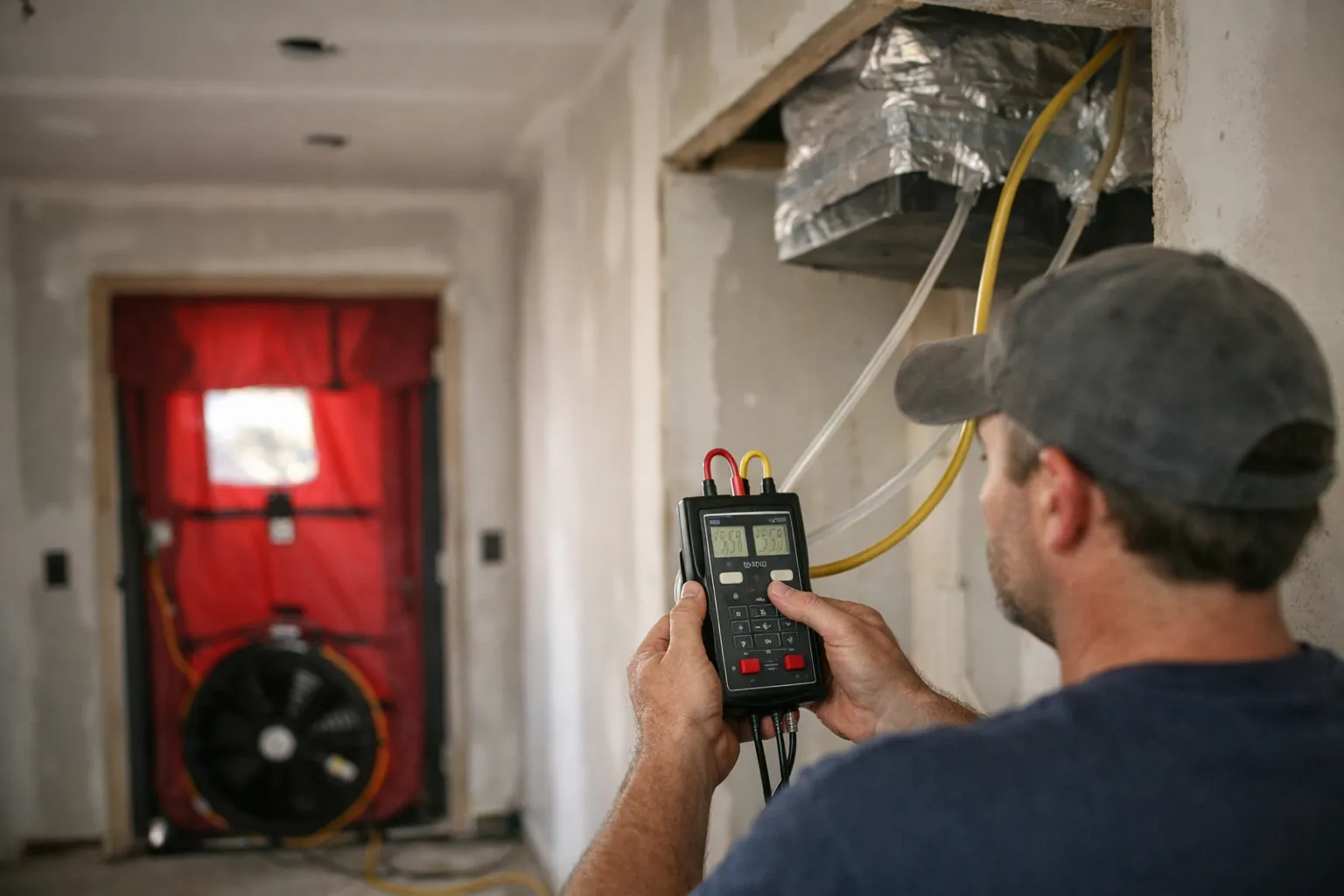
By late 2026 the most consequential near‑term shift for residential HVAC performance remains the same as in mid‑2026: duct systems are now treated as tested, documented components rather than a hope. The IECC 2024 model language institutionalized duct leakage verification and clearer boundary definitions; in practice, those provisions have become a determinative factor in comfort, acoustic performance and warranty eligibility for high‑end homes and heat‑pump projects. The difference between an HVAC system that delivers the quiet, even comfort buyers expect and one that leaves rooms cold, noisy or humid is increasingly a matter of verified distribution performance.
Background: How we got here and what changed since August 2026
Energy codes and market practice have been migrating toward performance and verification for a decade. Two technical pressures remain decisive: tightening building envelopes that make distribution losses relatively larger, and the industry preference for routing ducts inside conditioned volumes to protect delivery and reduce energy penalties. IECC 2024 made verification language explicit so jurisdictions could require documented testing; since August 2026, that model language has been folded into more municipal permitting workflows and third‑party programs.
Where the conversation has evolved this autumn is in the operationalization of verification: testing moved from an optional quality control step into permitting and warranty workflows. Contractors now routinely schedule rough‑in tests into production timelines; manufacturers increasingly tie warranty or rebate qualification to documented commissioning; and utilities have expanded rebate eligibility for sealed systems or aerosol duct sealing in many incentive territories.
Data & evidence: What field work through 2026 shows
Collective reporting from DOE Building America, national‑lab field studies, ACCA/HERS practice notes and multiple utility pilots through 2026 reinforce consistent, practical findings:
- Location dominates delivery loss. Long trunks routed through unconditioned attics, garages or exterior soffits continue to show the largest losses; short internal runs routed through conditioned attics or interior chases perform best in measured systems.
- Return‑side integrity disproportionately affects IAQ and humidity control. Unsealed returns can bypass filtration and draw unconditioned air into the conditioned space, upsetting pressure balance and the function of ERVs/HRVs.
- Early testing lowers downstream cost. Builders and contractors using pre‑drywall leakage tests, measured ESP and room‑by‑room balancing report markedly fewer callbacks and warranty claims in tracked portfolios.
Practically, most performance‑focused projects in 2026 specify target ESP in the 0.3–0.5 in. w.g. range for typical split‑system installs, with premium projects aiming at or below 0.3 in. w.g. Leakage targets remain program‑specific; many HERS/utility programs continue to accept CFM25 or percent‑of‑fan‑flow metrics as compliance metrics. The key lesson for owners: require the agreed metric in the contract and insist on documented evidence before occupancy.
What changed since mid‑2026 — and how that plays out in November 2026 practice
1) Verification is now embedded in permitting and warranty flows
Across a growing number of municipalities, enforcement offices accept digital test logs uploaded to permit portals as part of final inspection. Simultaneously, manufacturers and utilities have tightened administrative rules: more warranty applications and rebate claims now require commissioning packages that include raw test data, signed test forms and register‑level airflow reports. For owners, that means commissioning deliverables are not merely marketing — they are gating documents for rebates and some warranty terms.
2) Ducts‑in‑conditioned‑space claims see stricter documentary proof
Inspectors and third‑party raters are asking for clearer boundary proof: continuous air‑barrier drawings, photos of the installed barrier at penetrations, and spot pressure checks in ambiguous spaces. Nominally “inside” ducts (for example, ducts in shallow encapsulated attics or semi‑conditioned rooms) increasingly trigger spot testing or documentation requirements rather than blanket exemptions.
3) Durable sealing methods — not tape — are baseline expectations
Field practice has hardened around materials and methods that demonstrate long‑term integrity: mastic with mechanical fastening at plenums, factory‑sealed duct sections, gasketed coil housings and mechanical fastening at sheet‑metal joints. Non‑durable tapes remain unacceptable as sole sealing methods in documented compliance packages. For retrofits and constrained systems, aerosol duct sealing is now a mainstreamly accepted remediation option and is covered by an increasing number of utility rebates.
4) Digital tools and cloud logging are mainstream
Portable digital manometers, wireless pressure sensors, fan‑curve capture apps and cloud test logs are now common tools on job sites. Contractors who integrate automated reporting reduce administrative friction with permit offices and utilities and shorten the time between test, repair and final sign‑off.
Multiple perspectives: How stakeholders adapted in 2026
Contractors
Progressive mechanical contractors report that investing in test equipment, staff training and cloud reporting reduces long‑term warranty exposure. The trade‑off is schedule complexity: rough‑in tests must be coordinated before drywall and are often followed by immediate rework if results fail. Well‑organized crews absorb these steps into production calendars to prevent finish‑stage surprises.
Builders and architects
Production builders in incentive markets now budget for commissioning and explicit sealing targets as a matter of course. Custom builders and architects use verified duct performance as a differentiator: buyers for luxury homes increasingly ask to see commissioning packages and measured airflow before closing.
Raters, code officials and program administrators
HERS raters and code officials emphasize auditable chains of custody for test results. Their priorities are clear: raw data access, timestamped logs, and documentation that return plenums and filter access are serviceable for future resealing or inspection.
Owners and buyers
Buyers investing in electrification and high‑efficiency heat pumps are placing duct verification alongside equipment efficiency as a value driver. Verified distribution systems deliver measurable comfort benefits—steadier temperatures, reduced noise, and improved humidity control—that buyers equate with luxury, not optional extras.
Implications: Design, equipment selection and budgets in November 2026
Design discipline is now a market expectation
Manual J/S/D (or equivalent) with clear ESP and leakage targets are standard deliverables on premium projects. Designers increasingly specify fan curves and register‑level airflow so that equipment selection reflects realistic delivery after distribution losses.
Duct location shapes architecture and MEP decisions
Architects and MEP teams are choosing conditioned attics, interior chases, and accessible soffits early in schematic design to make sealing and maintenance straightforward. When external runs are unavoidable, they are shortened, insulated, and specified with factory‑sealed joints and mechanical connections.
Cost vs. value is clarified for clients
Upfront costs for testing, sealing and commissioning add labor and modest material expense. In most tracked projects through 2026 those costs are offset by fewer callbacks, validated system performance and the ability to capture rebates or preserve warranty coverage. For retrofit work with limited access, costs can be higher; aerosol sealing remains a cost‑effective option when duct access is constrained.
IAQ and electrification are linked
Tighter ducts protect filtration performance when owners install higher‑MERV filters, ERVs or HRVs. For electrification projects—where heat‑pump performance is sensitive to distribution—verified duct integrity is an enabling upgrade that preserves predicted energy savings.
Practical checklist: Contracts, tests and what to require on high‑performance projects
- Confirm local adoption of IECC 2024 language and any municipal amendments; get testing requirements in writing from the permit office before bidding.
- Require a pre‑drywall (rough‑in) duct leakage test when ducts are accessible, plus a final test or documented exception when not.
- Specify acceptable metrics in the contract tied to local program thresholds (e.g., CFM25 or percent‑of‑fan‑flow and an ESP target); include a performance remedy and retest clause.
- Insist on durable sealing methods: mastic, mechanical fastening, gasketed plenums, factory‑sealed duct sections; avoid non‑durable tapes as a sole method.
- Require commissioning deliverables: raw test logs (CSV), measured ESP, fan‑curve or flow verification, and a room‑by‑room balancing report submitted at closeout.
- Design for serviceability: accessible filter racks, coil access, plenum inspection panels and clear maintenance instructions so sealing integrity can be inspected and preserved.
- For constrained retrofits, consider aerosol duct sealing—require provider certification, test‑before/test‑after documentation, and review rebate eligibility first.
Outlook: What to watch into 2027
- Regulatory alignment: Expect continued municipal adoption of IECC 2024 language and more permit offices to require digital test uploads as part of final inspection packages.
- Warranty and rebate tightening: Manufacturers and utilities will increasingly tie warranty and incentive eligibility to documented commissioning packages.
- Workforce and credentialing: Training and third‑party certs for duct testing and aerosol sealing are likely to grow as program administrators demand auditable competence.
FAQ
Does IECC 2024 require duct leakage testing everywhere?
No. IECC 2024 is model code and applies only where a jurisdiction adopts it or an equivalent. That said, by November 2026 many municipalities and several major utilities have incorporated verification requirements or incentive language into their programs. Always check your local code and permit office before contracting.
If my ducts are inside conditioned space, do I still need a test?
Possibly. Many jurisdictions and third‑party raters require documentation showing ducts are within continuous thermal and air barriers; photos, drawings and spot pressure checks are common documentary requirements. Be prepared to provide boundary proof even for nominally "inside" ducts.
What leakage and ESP targets should I require a contractor to meet?
Targets vary by program and house type. Common practical targets in modern low‑load homes are ESP in the 0.3–0.5 in. w.g. range (premium projects aim ≤0.3 in. w.g.), and program‑specific CFM25 or percent‑of‑fan‑flow leakage thresholds. Use your local incentive or HERS program thresholds as the contractual baseline when available.
Will these rules make installations significantly more expensive?
They add modest upfront labor and material costs at new construction; retrofit costs can be higher when access is limited. For many owners, the incremental cost is offset by fewer callbacks, better comfort, preserved warranty coverage and potential rebates.
What new tools or services should owners expect from contractors?
Expect wider use of portable digital manometers, wireless pressure sensors, cloud test logs, fan‑curve capture apps, prefabricated sealed plenums, and aerosol duct sealing for constrained systems. Contractors who combine these tools with documented deliverables reduce inspection friction and administrative risk for owners.
Sources and context: IECC 2024 model language; U.S. DOE Building America and national‑lab field guidance; ACCA and HERS program practice; utility pilot and rebate program updates through November 2026; observed contractor and builder practice in incentive markets.