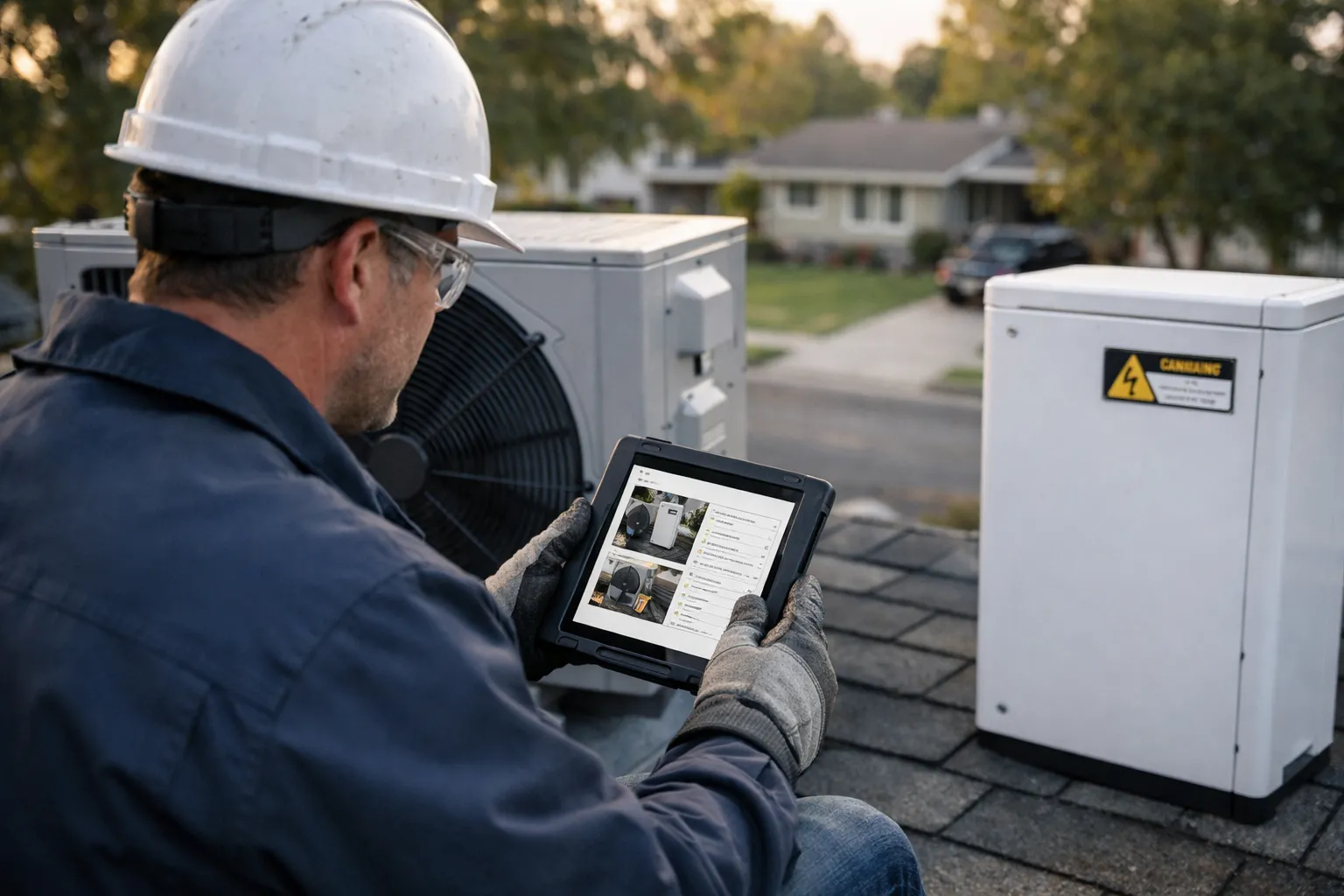
Across the U.S., property insurers are introducing more restrictive underwriting terms for electrified HVAC systems—chiefly heat pumps and installations paired with on‑site batteries or combined building energy storage. The change follows a rise in complex equipment claims and the rapid adoption of electrified heating in retrofit and new‑build markets. For HVAC contractors and installers, the shift means new documentation requirements, mandatory third‑party inspections in many jurisdictions, and potential premium increases or exclusions for non‑compliant installs.
What insurers are changing — and why
Over the past 12–18 months several national and regional insurers have begun to tighten terms for policies covering properties with newly installed heat pumps, integrated battery systems, or combined HVAC‑BESS (battery energy storage system) configurations. While policy language varies carrier to carrier, common underwriting changes include:
- Mandated proof of installer credentials and manufacturer‑approved installation procedures before new coverage is written or upon renewal.
- Requirement for pre‑ and post‑installation photographic documentation and system commissioning reports.
- Conditioning coverage on third‑party inspection by an independent qualified engineer or certified inspector, especially where batteries are installed in mechanical rooms or attics.
- Higher premiums or separate policy endorsements for HVAC systems paired with energy storage, and exclusions where code compliance or documentation is missing.
- Obligations for ongoing preventative maintenance contracts and remote monitoring with fault reporting where systems are remote‑eligible for grid services.
Insurers cite a cluster of drivers behind the shift: the technical complexity of modern electrified HVAC plus storage, rising claim severity when electrical faults propagate through integrated systems, and inconsistencies in installer qualifications as retrofits accelerate. Industry risk managers told contractors that carriers are trying to reduce misinstallation‑related losses and improve claim defensibility by tightening precondition standards.
Practical impacts for contractors and customers
The new underwriting practices affect projects at multiple stages:
- Pre‑sale. Contractors may see longer lead times for final underwriting approvals; some bids now require proof of certified personnel on site or pre‑inspection estimates to obtain binding coverage for the property.
- Installation. Installers must follow manufacturer instructions to the letter, maintain detailed commissioning records, and in many cases schedule an independent inspection before energization.
- Closing and handover. Customers increasingly are being asked to sign maintenance agreements and enable remote monitoring to keep coverage intact or qualify for preferred premiums.
For homeowners and building owners, those requirements translate into higher up‑front transaction costs in some cases—inspection fees, certification course expenses passed through by contractors, and potential premium surcharges. For contractors, the changes are already creating both friction and opportunity: firms able to demonstrate documented quality, accredited staff, and bundled service contracts find they can differentiate and win projects, while smaller shops without those credentials face tighter margins or the need to partner with certified firms.
Where insurers are focusing risk controls
Insurers are concentrating on a few specific failure modes that have proved costly:
- Electrical connection failures in retrofit scenarios where legacy wiring remains—loose terminations and improper breaker sizing continue to be common causes of electrical faults.
- Thermal runaway and fire risk where battery systems are colocated with HVAC equipment without adequate separation, ventilation, or fire suppression.
- Improper commissioning of controls that allow continuous operation under fault conditions or fail to trigger protective disconnects.
Responses insurers demand include adherence to the NEC and local electrical codes, manufacturers’ installation manuals, validated commissioning protocols, and physical separation or rated enclosures for batteries. Many carriers are also asking for remote monitoring or telemetry feeds where available to enable faster response to anomalous behavior.
Industry reaction and adaptation
Manufacturers and contractor associations are already reacting. Some manufacturers have accelerated programs to certify installer networks and publish enhanced, installer‑friendly commissioning checklists. Trade associations are promoting standardized documentation templates and recommending that members invest in continuing education on battery integration and grid‑interactive control strategies.
Several larger contractors report that insurers’ insistence on independent inspections has driven new partnerships with mechanical engineering firms and third‑party commissioning providers. Smaller contractors told industry publications they expect consolidation or the need to subcontract to stay competitive on projects that require enhanced underwriting proof.
What HVAC contractors should do now
Contractors can take concrete steps to reduce friction with insurers and protect customers:
- Document everything: take time‑stamped photos, record serial numbers, and store commissioning reports in a customer‑facing portal.
- Invest in certifications: pursue manufacturer certification and accepted industry credentials for battery and heat‑pump work.
- Bundle options: offer maintenance contracts and remote monitoring packages that meet insurer requirements.
- Pre‑check sites: include electrical load and wiring inspections in retrofit bids and flag any required upgrades to the owner early.
- Work with insurance brokers: develop templated documentation that meets common underwriting checklists and share that with customers and brokers prior to installation.
For property owners, the recommendation is to ask prospective contractors about insurer‑driven requirements up front and to involve their broker early in the project planning phase. That step can prevent surprise coverage gaps at the time of system energization.
Longer‑term implications
In the medium term, these underwriting changes are likely to accelerate professionalization in the electrified HVAC market: clearer installer standards, standardized commissioning documentation, and a growing market for independent inspection and certification services. They may also prompt manufacturers to deliver more plug‑and‑play, UL‑listed integrated modules that simplify underwriting by reducing field wiring and installation variability.
While the near‑term effect will be friction—higher costs, longer timelines, and an emphasis on documentation—the industry response could raise overall installation quality and lower loss rates over time. For HVAC professionals, the message is clear: with electrification accelerating, rigorous practices and documented quality are no longer optional—they’re underwriting requirements.